Malaria is more than a public health challenge for Africa
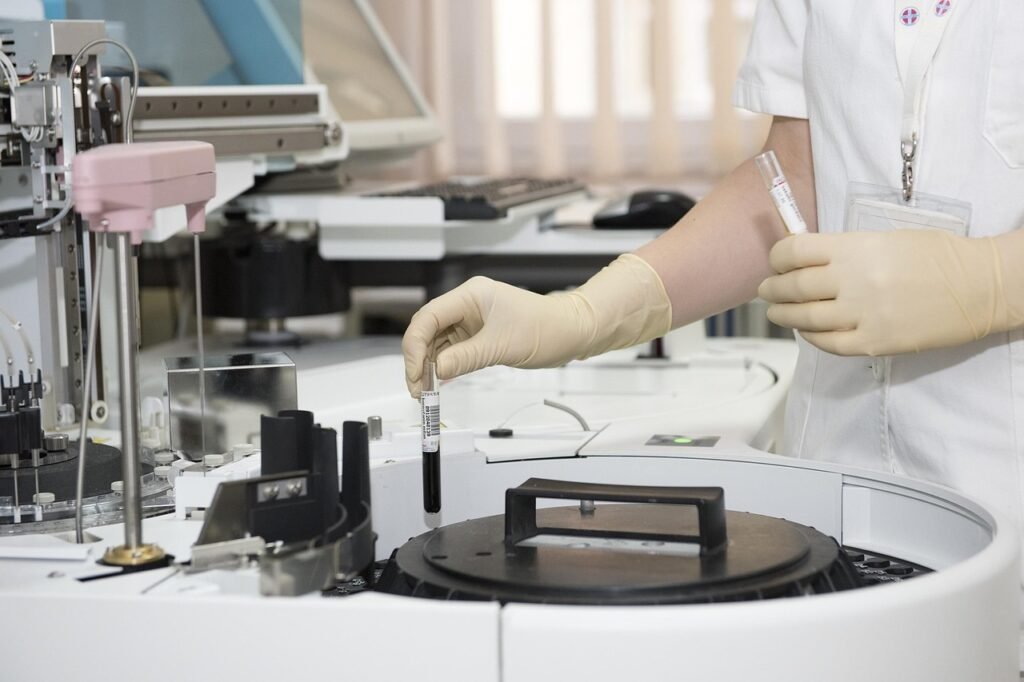
Malaria remains one of the most serious barriers to development in Africa. According to the World Health Organization (WHO), an estimated 282 million cases and 610,000 deaths were recorded worldwide in 2024. The WHO African Region accounted for approximately 94% of cases and 95% of deaths. Children under the age of five are particularly vulnerable, accounting for around three-quarters of malaria deaths in the region.
The impact of the disease extend far beyond the healthcare system. Recurrent infections lead to absenteeism, additional household expenses and increased pressure on public budgets. When children fall ill, parents often have to take time off from work to care for them. For countries seeking to attract investment and diversify their economies beyond natural resources, tackling malaria is therefore more than a public health priority. It is also a matter of workforce productivity, household income and long-term human capital development.
Bioko shows what sustained investment can achieve
Equatorial Guinea has already made progress in reducing malaria transmission. On Bioko Island, a long-running programme combining indoor insecticide spraying, insecticide-treated mosquito nets, mosquito larval control and infection surveillance has helped dramatically reduce the prevalence of malaria. According to media reports, the programme has also contributed to a 78% decline in the number of deaths among children under five.
The initiative has required sustained funding. Over approximately two decades, the government and US oil companies, including ConocoPhillips and Chevron, have invested more than $130 million in malaria control on Bioko.
The programme’s results have depended on more than funding alone. Monitoring infections, identifying risks and adapting interventions to local conditions have been central to its approach. The next challenge is to replicate these results across the rest of the country, where the conditions for malaria control are considerably more complex.
The mainland presents a new challenge
In early 2026, the government and private sector announced plans to invest $116 million to extend the programme to mainland Equatorial Guinea and the island of Annobón.
The mainland is approximately 13 times larger than Bioko. Its proximity to Cameroon and Gabon, where malaria also remains a serious public health concern, adds another layer of complexity. Unlike an island-based programme, the mainland strategy must account for cross-border population movements and the risk of infections being reintroduced.
Planned measures include expanding prevention efforts and exploring additional tools, including the R21 malaria vaccine for children. The use of drones to identify potential mosquito breeding sites has also been discussed. These technologies are intended to complement existing prevention measures rather than replace them.
Ultimately, the programme’s success will depend on maintaining effective coverage across a much larger area, adapting interventions to local conditions and coordinating efforts with neighbouring countries.
A test of the development model
Equatorial Guinea is seeking to turn the success of its Bioko programme into a nationwide malaria control strategy. If successful, the initiative could deliver benefits beyond fewer infections and deaths, including greater workforce participation, less financial pressure on households and lower healthcare costs.
The biggest challenge will be sustaining these gains across a much larger and more diverse territory. Bioko has demonstrated what long-term investment and targeted interventions can achieve. The mainland will test whether the same approach can deliver comparable results at a different scale.