Meanwhile, informal mining remains a source of livelihood for thousands of people across the country.
November 11, 2026, be remembered as a dark day in Guinea’s history. In the Balato area, in Kintinian Prefecture, violent clashes broke out between residents and security forces. According to an official statement from the Guinean government, 10 people were killed, including five foreign nationals, and 13 were injured.
The incident occurred during a patrol intended to enforce a ban on illegal and unregulated gold mining, which came into effect on November 2 this year. The authorities have announced an investigation to establish the circumstances surrounding the tragic incident.
But the problem extends far beyond the recent clashes. The government wants to strengthen its control over natural resources and financial flows in the gold sector, while many Guineans continue to make a living from illegal gold mining.
Gold: a key resource for Guinea’s economy
According to the 2026 report by the Extractive Industries Transparency Initiative (EITI), Guinea’s mining sector has accounted for approximately 20 percent of the country’s GDP, 22 percent of government revenue, and 93 percent of the value of its exports.
This is precisely why gold mining is not merely an administrative issue. The stakes include increasing government revenue, boosting legal exports, ensuring transparency in transactions, and retaining a larger share of the value generated by natural resources within the country.
Meanwhile, the informal segment of the mining sector is estimated to be substantial. EITI highlights the risk of revenue losses associated with the underreporting of gold exports from illegal mining. The organization also points to the need to improve data on production and exports. Without reliable information on how much gold is actually being mined and where it ends up, effective taxation and market oversight remain difficult.
More than 300,000 people rely on small-scale gold mining in Guinea
Recent research highlights the fact that illegal gold mining in Guinea is far from a marginal phenomenon. According to estimates attributed to the United Nations Environment Programme (UNEP), more than 300,000 people rely on artisanal and small-scale gold mining for their livelihoods.
The issue also extends beyond Guinea’s borders. People from various West African countries, including Mali and Burkina Faso, work in the region. This means that Guinea’s actions also have implications for migration and the economies of neighboring countries.
A new economic model for Guinea’s mining sector
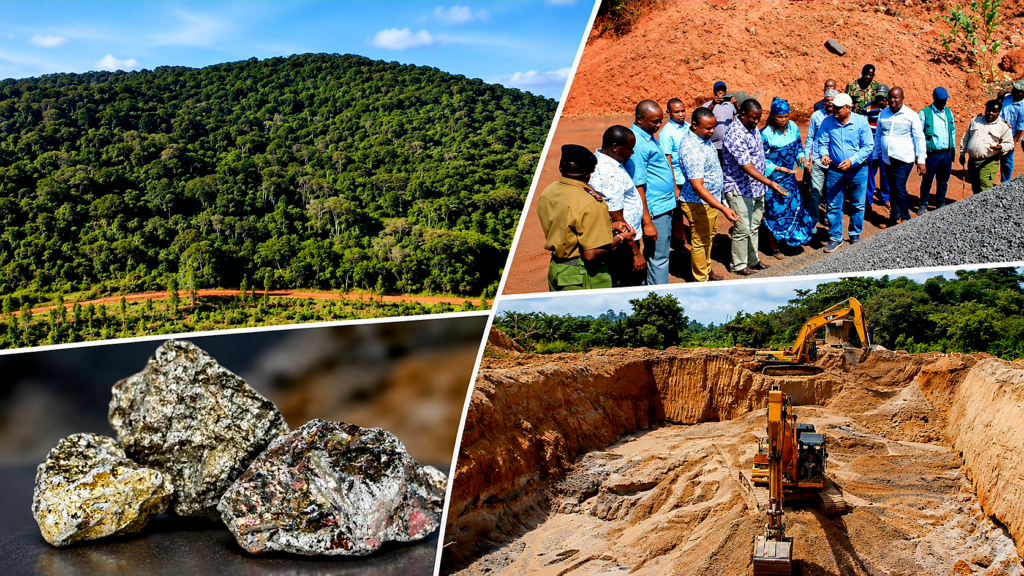
On November 10, the Ministry of Agriculture presented an initiative in Siguiri aimed at supporting residents affected by restrictions on informal mining. The plan includes identifying and preparing agricultural land, establishing cooperative groups, and expanding vegetable production.
At the same time, the Ministry of Mines is intensifying efforts to formalize small-scale mining. In July 2026, the authorities presented a guide prepared with support from the planetGOLD Guinea project and the Global Environment Facility. The guide is intended to help miners, cooperatives, and public authorities bring greater structure and oversight to the sector.
Guinea must strike a balance in implementing the new regulations
Guinea must curb illegal mining, strengthen export controls, and reduce environmental damage without depriving thousands of families of their primary source of income. This represents a major challenge for the country’s authorities.
The more gradual the changes are, and the more support the government provides to local communities in finding alternative sources of livelihood, the less social discontent there is likely to be among those who have so far depended on illegal gold mining.
Improved public sentiment, in turn, could encourage investors and business partners to become more actively involved in the mining sector. If Guinea manages these changes wisely, it could strengthen its credibility on the international stage.