A new investment involving a Chinese company could now help Morocco gain a competitive edge in this fast-growing market.
From vehicle assembly to battery production
Morocco has been developing its automotive industry for years, including its electric vehicle sector. Where there is rapid growth, foreign investment tends to follow. This time is no different. Chinese battery maker Gotion High-Tech is developing a lithium iron phosphate (LFP) battery plant in Kenitra.
This could mark a significant shift for the country. Battery production would allow Morocco to capture a larger share of the value created along the electric vehicle supply chain, rather than relying primarily on vehicle assembly and component exports.
Why are investors choosing Morocco?
Morocco’s existing industrial base is a major advantage. The country works with international manufacturers, while its established supplier network, export infrastructure, and proximity to Europe make it easier to serve foreign markets.
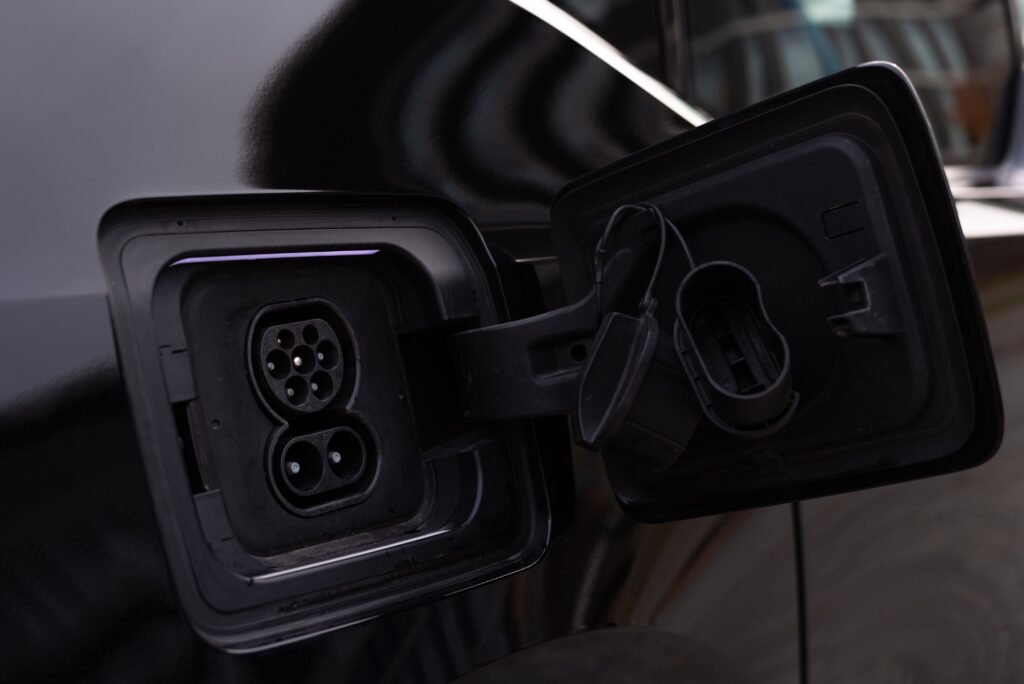
The Stellantis plant in Kenitra is a prime example of this. According to Morocco’s Ministry of Industry, the plant’s expansion and new projects are intended to increase its production capacity, including in the micromobility segment. The company is also expanding production of electric urban vehicles and developing charging infrastructure at the site.
Europe is the key market
For investors, market access matters just as much as production costs. Morocco’s proximity to the European Union gives it a significant logistical advantage, but it does not automatically guarantee access to all the benefits of trade with the bloc. Increasingly stringent regulations can still pose obstacles.
Batteries must meet the relevant technical, environmental, and market requirements. Rules of origin and the actual level of local content will also be important. This is particularly significant as European authorities closely monitor competition from Chinese manufacturers.
Morocco’s success in this market will depend on whether the country develops its own supplier base, engineering expertise, and capacity to process components, rather than simply becoming a location for foreign-owned factories.
Investments are just the beginning
The biggest risk lies in the gap between the announced scale of production and actual demand. A factory with substantial production capacity must secure buyers, remain cost-competitive, and ensure a stable supply of materials. Still, continued investment in the electric vehicle sector offers grounds for optimism.
Morocco already has an industrial base that many countries in the region lack. Now it must prove that it can build on this foundation to develop a more sophisticated industrial sector. With support from Chinese companies, which have repeatedly demonstrated their ability to strengthen local industries across a range of sectors in Africa, Morocco could build a strong position in the automotive industry.